
- May 29, 2026
- Posted by: Dave Kurlan
- Categories: Baseball and Sales, Understanding the Sales Force
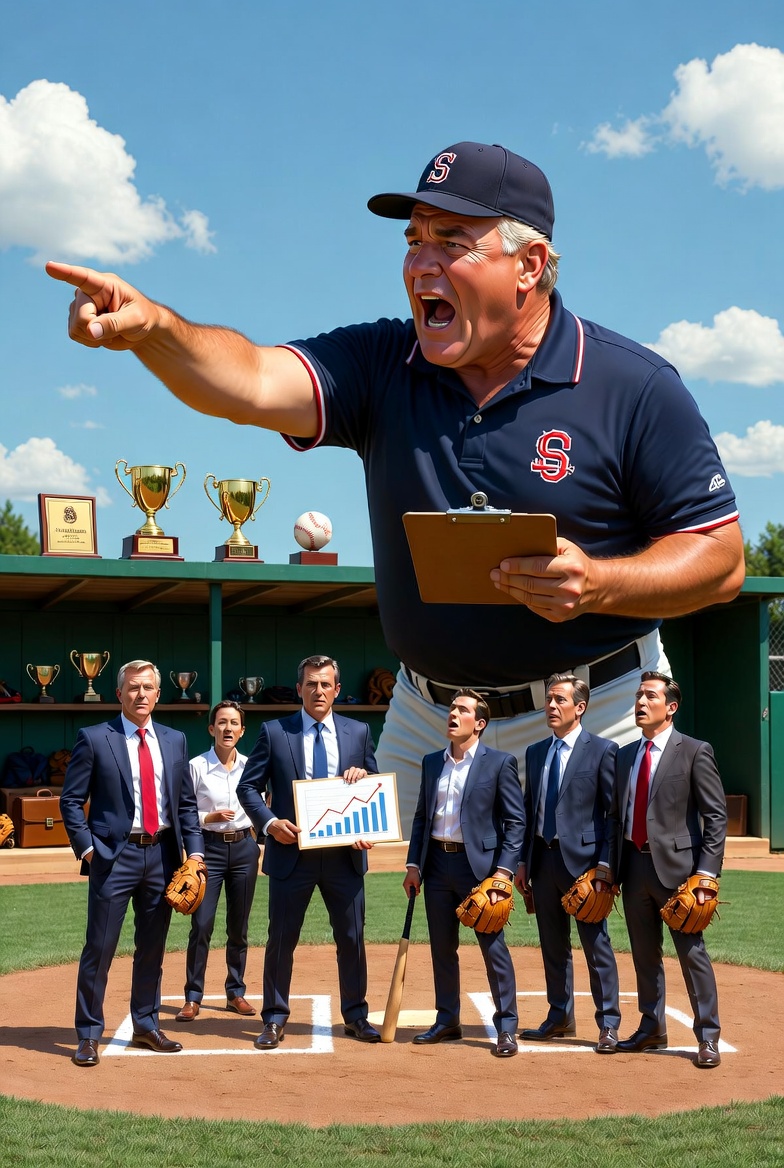
I passed a Little League field the other day and the similarities between Little League Baseball and Sales Management hit me (no pun intended).
Little League keeps costs extremely low. Sponsors buy the shirts, parents buy the pants, cleats, belts, socks, gloves and bats, and the dads volunteer as coaches while also doing the field maintenance. Moms volunteer at the concession stand and the local Little League keeps the profits. It’s baseball on the cheap, and to a certain extent, it works.
The best kids still stand out, make All-Stars, and get extra games and repetitions. But the B and C players get fewer games, limited repetitions, and almost no real coaching. So they don’t improve.
The Sales Management Analogy
Sales organizations run the exact same model. They promote top salespeople into management roles instead of hiring or training real sales managers. Only about 18 percent of sales managers are actually qualified for the job.
Sign Me Up
Both the dads and the salespeople raise their hands for the wrong reasons.
Dads often want to coach to give their kid more playing time or allow them to play their preferred position. Salespeople often want the manager job to escape cold calling, get a pay bump, or retain the best leads for themselves.
Comparing Results
The results are the same. The A players keep producing, but the rest of the team stays stuck. The biggest weakness is coaching.
Most sales managers avoid it or are terrible at it because they’ve never been trained how to coach.
A great example is the difference between a real pitching coach and a dad coach. The pitching coach spots a mechanical flaw and explains to the kid exactly what he should do differently. The dad coach just yells “throw strikes.”
The same thing happens in sales. Sales managers coach to the outcome by saying, “you need to close more” instead of coaching the specific skills that would actually help them improve.
Being a great salesperson doesn’t mean you know how to teach others to sell. You’d be surprised at how many great salespeople don’t know what makes them great. They say things like:
- “People trust me”
- “I’m honest”
- “I’m responsive”
- “I’m believable”
- “I’m likable”
If every salesperson says the same things, then those aren’t the reasons they are great because they aren’t differentiators. All salespeople believe they are those things. So if they don’t even know why they are successful, how can they transfer their skills to others?
On top of that, the new manager used to be their friend and colleague, and now they’re supposed to hold them accountable — and most can’t make that switch.
Watch this 2-minute video on why sales managers can’t like or love their salespeople.
While taking the path of least resistance and promoting a top performing salesperson, the company not only gets a manager who can’t coach or hold people accountable — it also loses that top salesperson’s production. Ugh!
The Bottom Line
Running sales the same way we run Little League guarantees the same result: a handful of stars and a lot of salespeople who never get much better.
Until companies stop promoting salespeople into sales management for the wrong reasons and start training them how to actually coach and hold people accountable, most salespeople will remain stuck at mediocre levels.
Companies that want real sales growth need to break this cycle. That means investing in proper sales management training and holding managers accountable for developing their people, not just hitting numbers.

Hmmmmm