
- April 13, 2026
- Posted by: Dave Kurlan
- Categories: Analogies, Best Top 10 Lists, Music and Sales, Understanding the Sales Force
What percentage of salespeople decide to become the best?
My data from OMG’s nearly 3 million sales assessments suggests that only 5% are elite.
What’s the difference between the 5% who become the best and the other 95%? Back in the 1950’s, in a famous speech from the day, Albert Gray, an insurance industry executive said this: “Winners have simply formed the habit of doing things losers don’t like to do.“
As an example, I’ll share a little of the “Dave Origins” story.
Long before Kurlan & Associates (30-years-old to present) and OMG (34-67-years old), I:
- Sold Greeting Cards Door to Door (12 years old)
- Sold Cleaning Solutions Door to Door (13 years old)
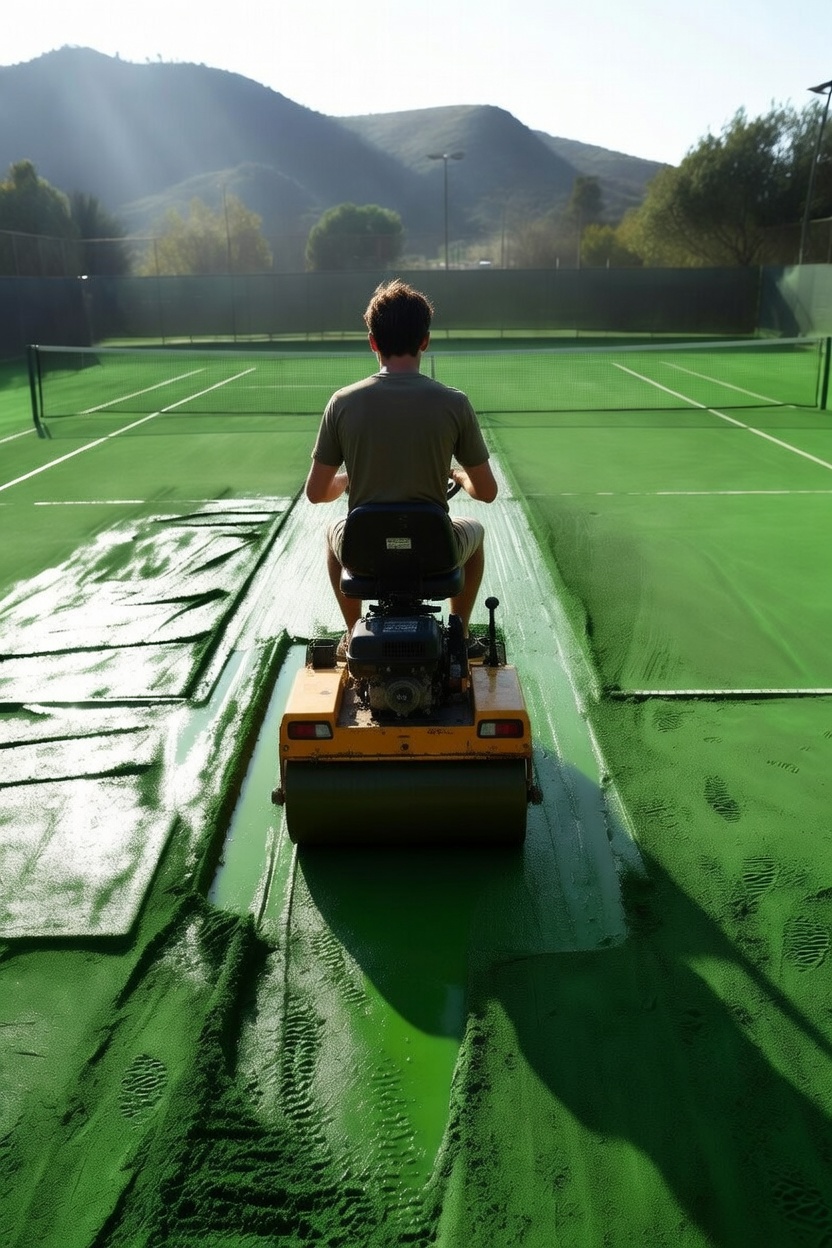
- Had a job maintaining clay tennis courts (14-15 years old)
- Had a lawn mowing business (16 years old)
- Was in charge of clay tennis court maintenance (17 years old)
- Sold Cutco Knives (18-20 years old)
- Founded a Music Business (20-30 years old)
I expected to be the best in all seven of those jobs/businesses – and based on the goals I set for myself, I was. But in this article I’ll use the 2nd tennis club job as an example.
The Paxton Swim and Tennis Club was brand new and I received an unsolicited call to interview for a tennis court maintenance role the next day. I arrived in the middle of an epic 3-day rain storm. The six courts were built on the highest elevation of the property and 3 of the courts were literally being washed down the hill. The ruts were huge. The owner of the club was fretting and I said, “Instead of interviewing me, tell me where the rakes and shovels are!” I ran up the hill with rake and shovel in hand and dug 6 trenches, raked clay to form a pitch to the trenches, and forced all the water to the trenches.
The club owner couldn’t believe what I had just done and offered me the job, for below minimum wage, at $1.85/hour. I was so excited!
The next morning, I arrived at 6am, before anyone else, found a wheel barrow, a stockpile of loose clay, 50 pound bags of green top dressing, and went to work. I filled the trenches I had dug the previous day, put down new top dressing, raked it out, rolled all three back courts, dragged the courts with brooms and had them completely repaired before the club owner showed up that morning.
When the owner arrived and saw what I had done, he promoted me to head of court maintenance. I had an even better job, was in charge of the whole thing, and still for a whopping $1.85/hour. I was even more excited.
During my first week I learned the club owner was in a hurry to bring notoriety to the club to drive memberships and decided to host a national tournament where getting television coverage would help. He had made the calls, received commitments from top ranked players, and booked the tournament for a date in Mid-August. The tournament would take place in 4 weeks.
I asked, “Are you kidding me? There is no way these brand new courts will be ready for that level of competition in 4 weeks. The pros will complain about the condition of the courts and your club will be a laughing stock!”
He hadn’t considered that the courts were new and unstable and required constant hand-holding. Too late!
I cold-called other clubs, talked to seasoned maintenance guys, and asked what it would take to get these new courts into the kind of condition that wouldn’t cause any complaints from the pros. Once I understood what would be required, I got to it, working from 6am until 10pm every day (I was an early recipient of no tax on overtime because I didn’t get paid for my overtime!), 7 days per week, shoveling hundreds of pounds of calcium chloride onto six courts each night, rolling (picture the rollers that paving companies use to flatten asphalt after it’s poured onto streets) the courts each morning, raking, dragging, watering, and repeating. I was only 115 pounds when I graduated from High School a month earlier and this was certainly not going to help the skinny kid fill out his body!
The tournament, the top-ranked players, and the TV crews appeared in mid-August and not only were there zero complaints, the court conditions were complimented multiple times. The common theme was, “Best shape of any courts we played on all year!”
I have taken the same approach to everything I’ve ever done. Be the best, stand out, be original, out work everyone else, find a way, do whatever it takes, no matter what. Being second-best, almost good enough, or mediocre is not an option.
I do have one experience where I did it the other way. It’s called Golf. And that’s the only thing I do where I have allowed myself to be a hack. I would love to be the best but don’t have the time to do what it takes.
That same relentless approach—be the best, find a way, do whatever it takes—translates directly to sales mastery. Here’s what it looks like in practice: My top 20 keys are:
- Model the best salespeople (get mentored)
- Read 15 minutes/day from the best in sales (books, blogs, articles)
- Watch 15 minutes/day from the best in sales (videos, podcasts)
- Train from the best in sales (online self-directed, seminars, webinars, live training programs)
- Get coached from the best in sales (30 minutes every other week via one-on-one and/or group coaching)
- Practice 30 minutes per day (role playing)
- Apply what you learned to all of your phone calls, Zoom meetings and in-person visits
- Record and Debrief every conversation and determine what you did well and what you could do better
- Raise the bar each month, each quarter and each year
- Aim to increase your deal size, margin and win rate each month, quarter and year
- Push through fear, discomfort, and skill gaps
- Include the phone for outreach – it’s still more effective than other methods.
- Use available tech – including intelligence, CRM, call recording, workflows, and sequences.
- Schedule Your Own meetings – you’ll have better meetings
- Call as High (by title) as you can – It’s easier to be introduced down a level than it is to push your way up from a contact without authority
- Master the Consultative approach to selling – it will shorten your sales cycle and differentiate you from others
- Religiously follow sales process – it must be a staged, milestone-centric, buyer-focused, sales process that neutralizes the Buyer Journey
- Get comfortable with the idea that you are the value and become effective at selling that value
- Help people get what they need instead of trying to get people to buy what you are selling
- Be eternally optimistic about your outcomes and skeptical about everything you hear (your prospects are usually lying, even when they don’t intend to lie.)
Identify 5 you’re already doing – congratulations. Identify 5 more you’ll start doing immediately. Identify 5 more you’ll begin next month and you’re on your way. It’s OK if you need help. Most people don’t succeed by figuring things out on their own.
If you need help – for yourself or your team – we’re right here. It’s not a sign of weakness to ask for help; it’s a sign of weakness when you fool yourself into believing that getting help is showing weakness.