Understanding the Sales Force
-
Ice Cream Study: Why Your Sales Data Is Lying to You
- October 23, 2026
- Posted by: Dave Kurlan
- Categories: Analogies, Sales Data and Science, Understanding the Sales Force

A Harvard ice cream study looked like good news until you realized it was correlation, not causation. The same mistake shows up when companies read their sales competency data.
-
Why Sales Pipelines Are Optical Illusions
- October 22, 2026
- Posted by: Dave Kurlan
- Categories: Analogies, Sales Pipeline and Forecast, Understanding the Sales Force

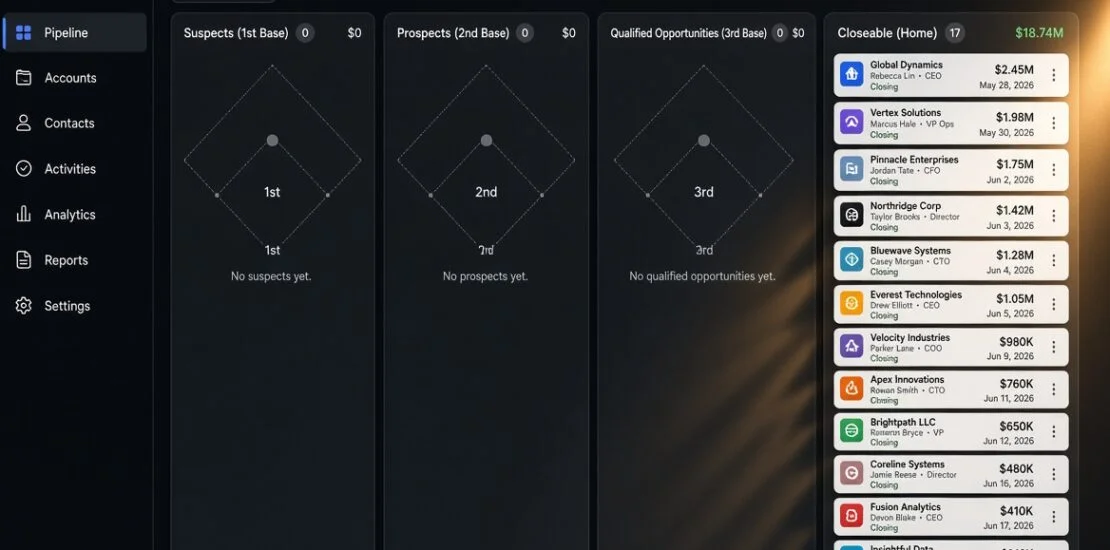
Most salespeople inflate their opportunities. Here’s why their pipelines are optical illusions—and the nine false “wins” that keep them stuck.
-
Why MEDDIC’s Missing Order Costs You Deals
- October 19, 2026
- Posted by: Dave Kurlan
- Categories: Analogies, Baseball and Sales, Sales Pipeline and Forecast, Sales Process, Understanding the Sales Force
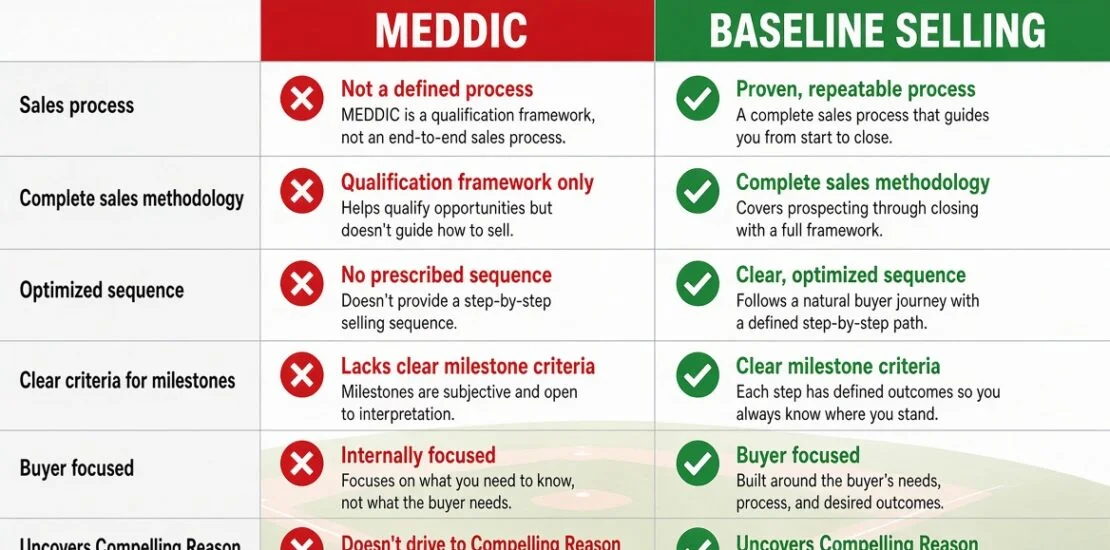
MEDDIC gives you useful checkpoints, but without shared definitions and a forced sequence the checkboxes produce bad pipeline and forecast data. Baseline Selling requires the milestones in order so each stage makes the next one possible.
-
You Can’t Build Your Way Out of Constipated Revenue
- October 14, 2026
- Posted by: Dave Kurlan
- Categories: Analogies, Understanding the Sales Force
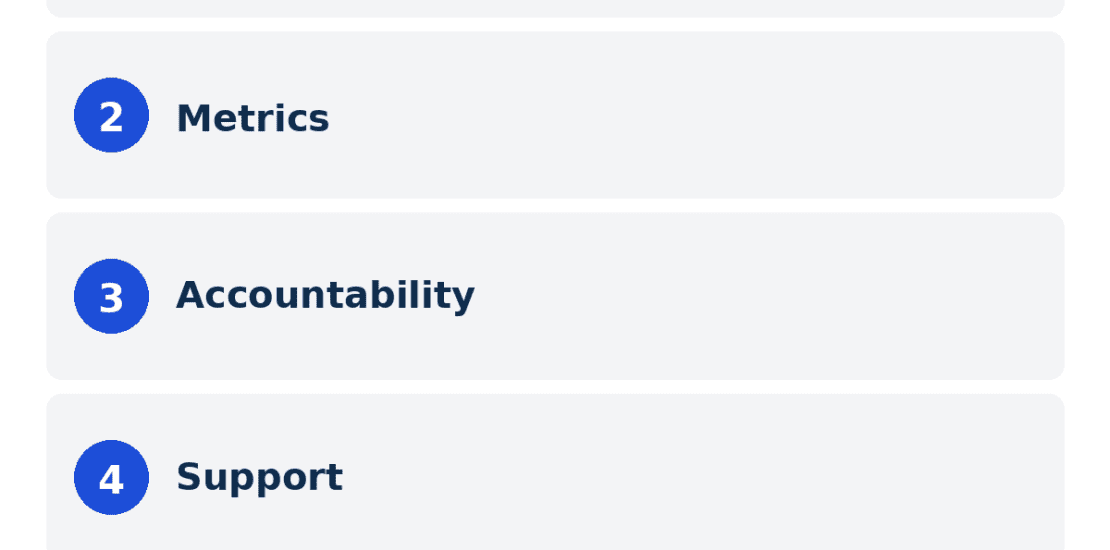
Most companies try to drive revenue by adding longer on-ramps and more lanes—ZoomInfo, Outreach, AI, Gong, and the rest of the stack. The backups stay. Capacity comes from five fundamentals: real goals with no built-in miss, forward-looking metrics with one primary KPI, accountability as a condition of employment, support that is expected, and training plus coaching that actually builds skill. You can start tomorrow.
-
Why Disappointed Prospects Don’t Switch to Your Company
- October 8, 2026
- Posted by: Dave Kurlan
- Categories: Analogies, Baseball and Sales, Understanding the Sales Force
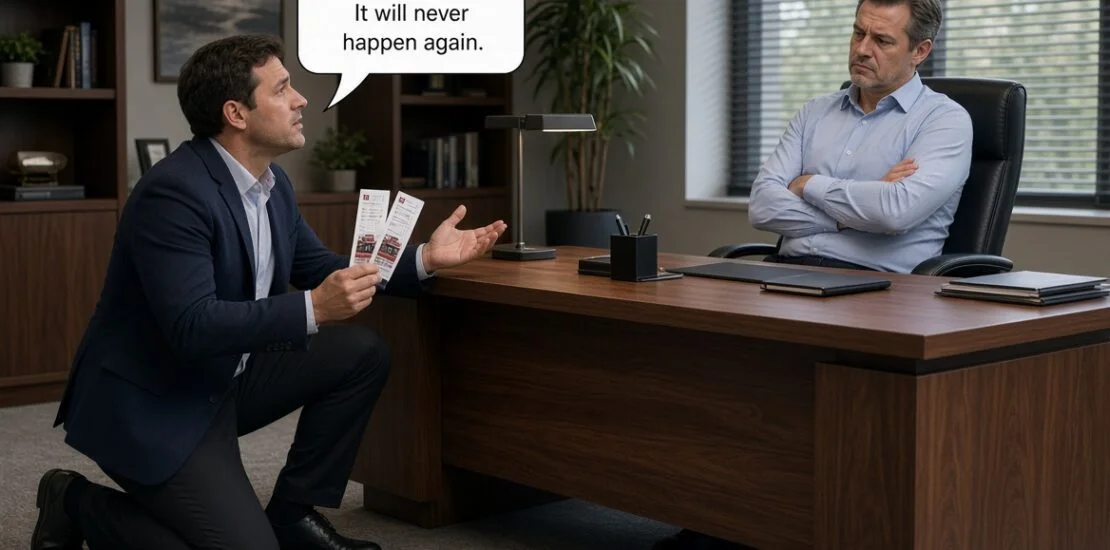
A prospect can spend the meeting building your case and still give the incumbent one more chance. Four questions tell you which buyers are loyal to the letter, which ones keep score, and which deals to stop forecasting.
-
The Biblical Sales Force, Part 9: Why Agreeable Salespeople Are Not Coachable
- October 2, 2026
- Posted by: Dave Kurlan
- Categories: Analogies, Baseball and Sales, Bible and Sales, Understanding the Sales Force
Agreeable salespeople make coaching feel successful. Coachable salespeople change their mind and do the work. Matthew 21:28-32 shows the difference, and most sales managers are grading the wrong son.
-
Playing Dumb Is a Dumb Sales Strategy — Until You Know When to Stop
- September 24, 2026
- Posted by: Dave Kurlan
- Categories: Analogies, Baseball and Sales, Understanding the Sales Force
Salespeople love to talk about playing dumb. They don’t know when to stop, and they don’t know how to do it so it shows expertise. Pedro didn’t throw the changeup until the fastball was established. That’s the skill.
-
Why Salespeople Adopted the Deck and Abandoned the Phone
- September 21, 2026
- Posted by: Dave Kurlan
- Categories: Analogies, Music and Sales, Understanding the Sales Force
Salespeople upgraded the slides and hid behind email. State Farm left a working jingle alone for fifty years. The phone conversation should have gotten the same treatment. Only 17% are strong at the upgrade that actually matters: a consultative sales conversation.
-
Data and Context Predict How Your Next Sales Hire Will Perform
- September 17, 2026
- Posted by: Dave Kurlan
- Categories: Baseball and Sales, Sales Assessments Compared, Understanding the Sales Force
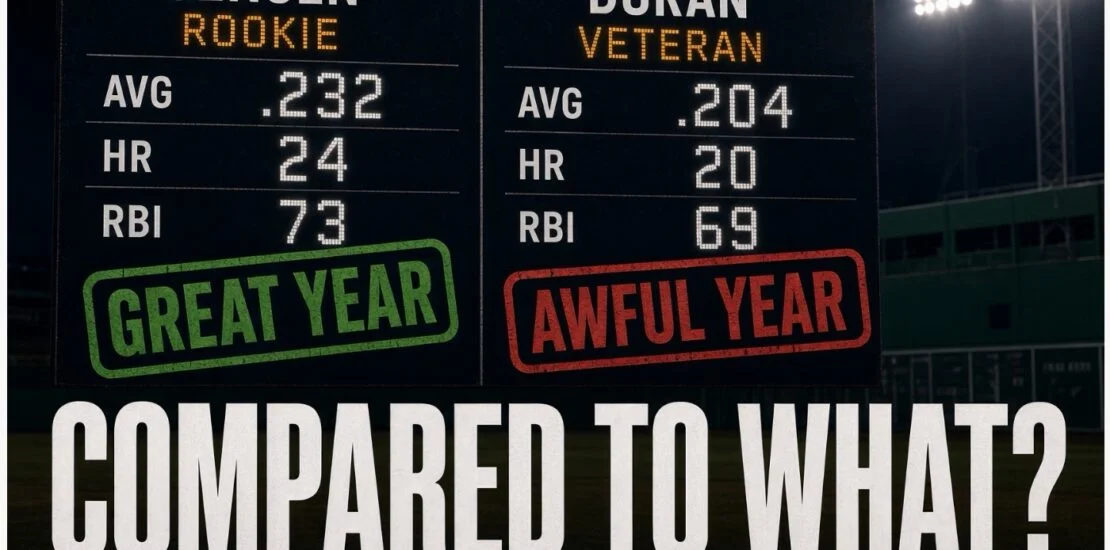
Carter Jensen and Jarren Duran put up similar power numbers this year. One is having a great season. One isn’t. The difference is context — and it’s the same mistake sales leaders make when they hire the likable account manager for a hunting role.
-
Why Sales Managers Don’t Coach: Two Out of 500 Said Yes
- September 14, 2026
- Posted by: Dave Kurlan
- Categories: Analogies, Baseball and Sales, Understanding the Sales Force
We took away the time excuse, the listening excuse, and the cost excuse. Sales leaders at about 500 companies still wouldn’t coach. Two said yes. That’s a quarter of one percent.