
- April 1, 2026
- Posted by: Dave Kurlan
- Categories: Baseball and Sales, Understanding the Sales Force
From Terrified Introvert to Real-Time Sales Coach: How I Actually Built the Skill (It Wasn’t Magic)
Most of us have watched someone — a kid, a friend, or even ourselves — pour everything into mastering a skill. For me, that someone was my son chasing excellence as a baseball player.
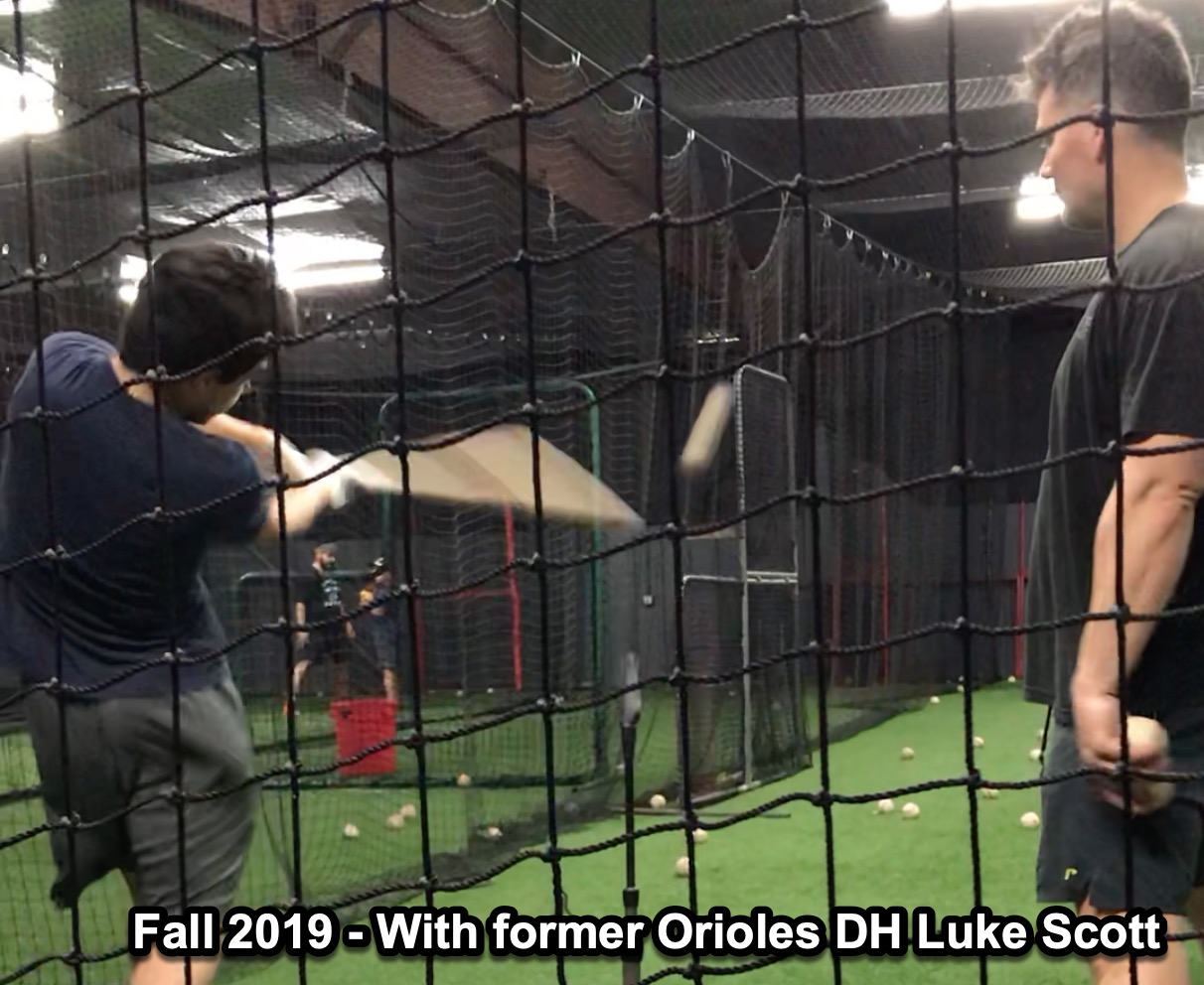
When I say he worked hard, you have no idea. In the off-season before his junior year of high school, he took lessons from three hitting coaches, a catching coach, and a strength coach. He also had weekly practices with his team, and we went to the batting cage constantly.
I often found myself thinking, “When have I ever worked that hard at anything?”
Then it hit me (pun intended).
Turning myself into an elite sales coach required exactly that same kind of relentless, multi-layered effort. Not overnight magic. Not one lucky breakthrough. Just consistent, deliberate work on the fundamentals — year after year.
Dave Origins: Listening – How It All Began
I was an acute introvert — far more comfortable observing than speaking. I was the guy who’d rather hide in the corner predicting everyone else’s awkward small talk than join it. For me, that was the doctorate in psychology equivalent that I mastered on the streets.
When I entered sales in the early 1970s, I was still terrified of people, so listening felt safe. Meanwhile, I was being taught all the wrong stuff: heavy presenting, slick closing techniques, and basically talking people into submission. Classic old-school nonsense.
Then my big boss took me under his wing and said, “You’re riding with me this week.” He taught me how to quickly develop rapport, gain trust, ask great questions, shut up, listen, and qualify upfront. And he made me stop dragging around those damn samples and brochures as if they were going to close the deal for me. I didn’t need them anymore! I shared this amazing story here.
How Everything Changed
Cool story. I was a professional musician (primary instrument was trumpet but I could play keyboard and bass guitar), but I couldn’t play by ear (essential for jazz and rock musicians). I had no problem sight reading (first time seeing it) sheet music (essential for studio musicians). After a few years in the sales development space and a decade away from music, I picked up my trumpet again… and suddenly I could play by ear.
That was the proof: my listening in sales was so good that it was transferable to music. Once I could really hear the elements of a conversation — the timing, the context, the buildup, the specific words, the story, the characters and what was missing — everything that was wrong in most sales calls became painfully obvious. It wasn’t always the wrong questions being asked. Sometimes it was just the wrong timing or sequence.
It seemed like an overnight success, but it was really gradual improvement in my listening skills that I didn’t notice along the way. It was probably more like the 10,000 hours of perfecting ones skills that Malcom Gladwell wrote about in Outliers where the Beatles were such a great example. They seemed like an overnight sensation but they spent 10,000 hours perfecting their craft in small clubs.
Real-Time Coaching – How It Works
My sharpened listening became the foundation for real-time coaching. The elements of the conversation that salespeople were getting wrong appeared to me as fireworks — visuals from “The Star Spangled Banner!” “…And the rockets red glare, the bombs bursting in air, gave proof…” I couldn’t NOT hear the mistakes, missed opportunities, jumping ahead, poorly chosen words, hesitancy to push back, failure to differentiate and create mic drop moments.
The result? I could actually coach while role playing instead of just sitting there like a polite observer taking notes for later.
Here’s the funny part: A lot of sales leaders struggle to role play and perform live, in-the-moment coaching. Most aren’t aware that they could coach in the moment and the rest worry about it too much to role play, and/or interrupt. Meanwhile, too many managers hide behind “let’s debrief after the call” because real-time feedback feels uncomfortable. But they’re not the only ones — a lot of sales gurus, experts, trainers, coaches, strategists and consultants don’t do it either!
Spoiler: It’s Not Magic
It’s deliberate practice built on sharpened fundamentals — deep listening first, then timing, and direct but thoughtful feedback. Just like my son’s endless hours with multiple coaches and in the batting cage.
How You Can Take the First Step – Start Small
You can start with easy role plays that won’t get you stuck.
Start by sharing a repeatable strategy or tactic with your salespeople like:
“There are three kinds of sales training companies. Type 1 tells your salespeople what they should do. Type 2 explains how they should do it. Type 3 role plays it with your salespeople to demonstrate what good sounds like. Which type would you find most helpful?”
Then simply have your salespeople repeat and practice saying that to you or someone else.
That’s the first step.
When you’re ready, and they say, “I have an opportunity that’s stuck at 2nd Base,” you can debrief and ask how the last conversation ended, and then say, “OK, let’s role play it. I’ll be the salesperson.” Be brave, jump into the deep end, and see what happens!
While you might be afraid, worried that you’ll look bad, concerned that you won’t be able to demonstrate what good sounds like, you don’t have to. You only have to ask the questions they failed to ask, and you can stop the role play at any point — you’re in charge.
If you’re a sales leader who needs to coach more effectively by using the most powerful coaching tool available — role play — we can help you fast-track your sales coaching and role playing skills. Feel free to reach out.