
- October 28, 2026
- Posted by: Dave Kurlan
- Categories: Analogies, Baseball and Sales, Understanding the Sales Force
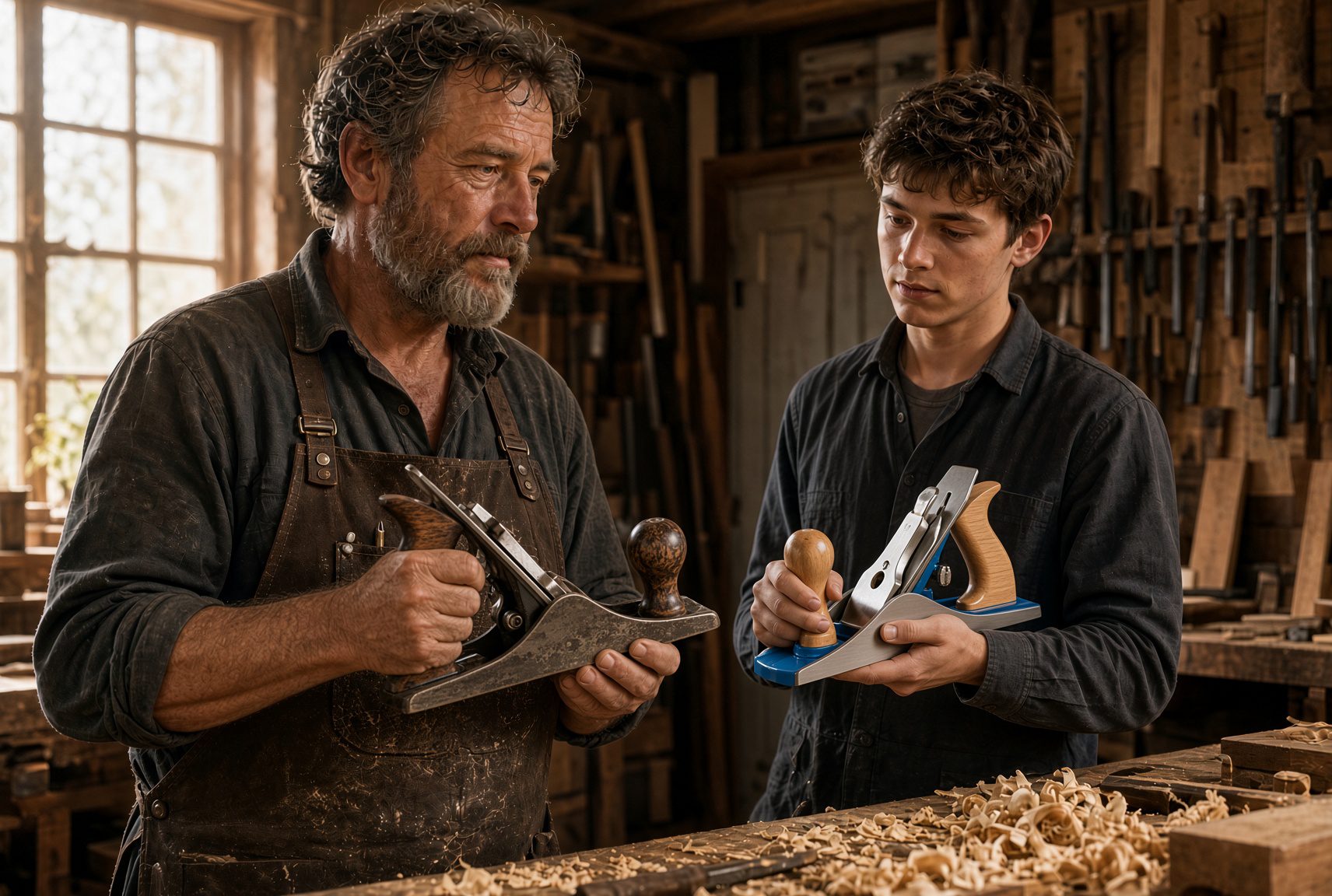
New Salespeople Have Hope. Veterans Have Scars. Wisdom Is Still Optional.
New salespeople arrive with hope. Read The Resume Still Looks Great. The Sales Hire Still Fails
Experienced salespeople who just joined a new company arrive with potential.
Neither group arrives with wisdom, and that’s the part most sales managers don’t realize.
Wisdom is what happens after you’ve survived a litany of experiences and actually paid attention to what they meant. Every thing that every single prospect ever asked, said, or did. Things like:
- Every prospect who swore the budget was approved but later couldn’t find the money
- Every “we’re going with you” that turned into radio silence after your morning coffee
- Every pipeline review where you defended a deal because you felt good about your chances
- Every time you skipped a step because the prospect “seemed ready” and you tripped over yourself
- Every stall, put-off, and sob story that you empathized with the first 144 times
- Every demo where the prospect nodded, asked for a proposal, and you watched the opportunity stall because it was only “nice to have.”
- Every forecast you submitted where your hope dominated the lack of evidence
- Every time you realized that the prospect had been using you to keep the competition honest
Those moments become instincts only if you notice the pattern, understand why it happened, and change your approach the next time. Most salespeople collect the stories and share their collections with others but they don’t change the way they sell.
New salespeople haven’t had the experiences yet. That’s why they struggle. It’s not a character flaw. They haven’t been lied to enough, ghosted enough, or surprised enough to know what to say or do. They’re still operating on hope and whatever their sales manager told them during their one week of onboarding.
Veterans who change companies have the experiences, but the context is different. The same objection lands differently when they are selling a different product, to a different target audience, against different competition. It’s a little like a hitter who spent five years in minor leagues and finally gets called up to the show. The fastball is faster, the breaking pitches not only have bigger breaks, the pitchers can throw them for strikes, and the scouting reports tell pitchers how to get the hitter out. The at-bats still count. The instincts just need recalibration.
Sales training and coaching are the closest thing we have to handing someone the video room before they face major league pitching. Training doesn’t replace the experiences. It sets expectations and simulates the experiences. A new salesperson who has heard what a real discovery conversation sounds like is less likely to treat the first friendly meeting as a buying signal. A veteran who has been shown what the new company’s buyers are frustrated about is less likely to run the old playbook and then wonder why their deals are dying.
Driving school doesn’t replace highway miles. It just means the first time you hit black ice you’re slightly less likely to yank the wheel the wrong way. Spring training doesn’t replace the regular season. It just means the hitters have already seen live pitching before the games start counting.
Wisdom still beats raw experience. Experience still beats the absence of experience. And consistent showing up is the only thing you can reasonably demand from a brand-new salesperson while the experiences are still accumulating. The difference is that “showing up” without a framework is just activity. Showing up inside a clear process turns those early calls, meetings, and disasters into the raw material for instincts to develop, instead of more stories about a prospect that wasn’t ready.
That’s the sales manager’s actual job. Not to wait for the new person to “get some experience,” and not to assume the veteran will automatically translate what they already know. It’s to shorten the distance between the experience and the insight so the salesperson stops collecting scars and starts using them. Read Scarred for Life: Sales Lessons That Make Your Company Unstoppable
Hope is fine. Potential is better. Neither one translates into closed business until the experiences become something the salesperson can actually recognize the next time they show up.
What should you rely on to help you get struggling salespeople to perform better?
A lot of people will answer that question with AI. AI is freaking awesome! But not for that.
The fastest path to prepare salespeople for success is training and coaching. Not “a” training session, but ongoing, months-long training that sticks because the ongoing daily coaching reinforces it. The sales version of location, location, location, is training, training, training and coaching, coaching, coaching. Read Why Sales Managers Don’t Coach: Two Out of 500 Said Yes
Hope and potential are replaced with training and coaching resulting in consistent, solid results.