
- November 25, 2026
- Posted by: Dave Kurlan
- Categories: Analogies, Music and Sales, Understanding the Sales Force
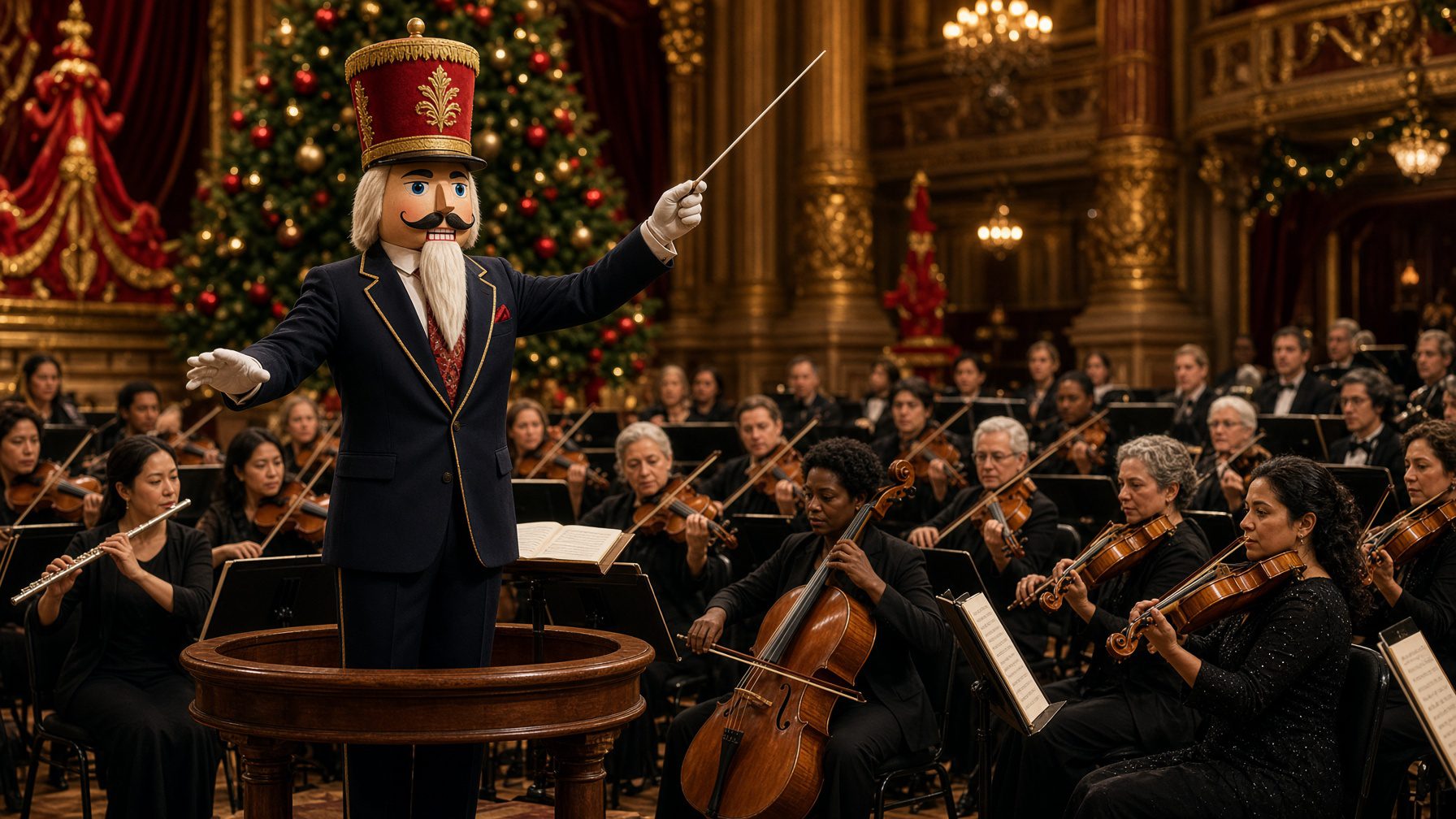
If you’ve been reading this blog since 2006, you already know that my last post of the year is the annual Nutcracker tribute. My wife started the family tradition of the Boston Ballet performance more than twenty years ago, and I’ve been writing about how the music maps to selling ever since. Baseball is still the best analogy I have. Nutcracker is a close second.
The original 2010 article is still worth the reread if you want all three lessons: kurlanassociates.com/understanding-the-sales-force/2010/top-3-sales-lessons-from-tchaikovsky-s-the-nutcracker
You’re back. Good.
Today I’m staying with just one of the lessons, because it keeps getting ignored.
The prospect may be the composer (started the initiative), the arranger (selected which vendors get a meeting), the director (charged with running the process), or a musician (following the conductor’s directions). Your job is to figure out who you’re actually talking to, what role they play, how much influence they have, and how to get the right players aligned on the compelling reason to buy and on your solution.
Do you regularly identify those players in your opportunities?
If you are not with the composer, do you ask the questions that get the composer engaged instead of just working with whoever answered the phone?
Now suppose you start with someone in procurement. Which of those roles are they? None of them. Procurement is not the composer, not the arranger, not the director, and not even a musician in the decision. They’re more like the stage hands. That tells you something important: they are not a key player in the sale. You might end up with them later to complete paperwork, but you should not be calling on them to work towards a decision. Period. End of story.
If you were the conductor of the Nutcracker orchestra, you would know every player’s part, the notes they are supposed to play, when they are supposed to play them, and what the whole thing is supposed to sound like when it is right. No surprises. Just the way you rehearsed it.
The sales opportunity is the orchestral score and you are the conductor.
When someone is out of tune—when they don’t sound the way they should for the role they claim to play, or when they say something you did not expect—you do what a conductor does. You tap the stand, stop everything, and run it again.
Here’s what that sounds like on a call:
Prospect: “Thanks for your time. We like what we heard and we’ll talk about it among ourselves. Can you send a proposal?”
Old You: Of course. I’ll get it to you tomorrow.
Better You: “Can I ask you a question first? You said you liked what you heard. What exactly was it that you liked?”
Prospect: “You offer options and have same-day delivery. That’s a game changer.”
Old You: “Cool. I’ll get that proposal right over to you.”
Better You: “Earlier in our conversation, you said you were happy with your current supplier. Can’t they do those two things for you?”
Prospect: “No.”
Old You: “Cool. You’ll love working with us.”
Better You: “You’ve been with them a long time. Are those two things reason enough to work with us?”
That is the difference between sitting in the audience and conducting the performance. You stop the music, ask why they didn’t say what the role and the earlier conversation led you to expect, and start again with the right people and the right criteria. No surprises.
Do you know who is playing which part in your current opportunities? And when someone plays the wrong notes, do you stop and fix it, or do you just keep going and hope it still sounds okay at the end?