- February 16, 2026
- Posted by: Dave Kurlan
- Categories: Baseball and Sales, Best Top 10 Lists, Sales Data and Science, Understanding the Sales Force
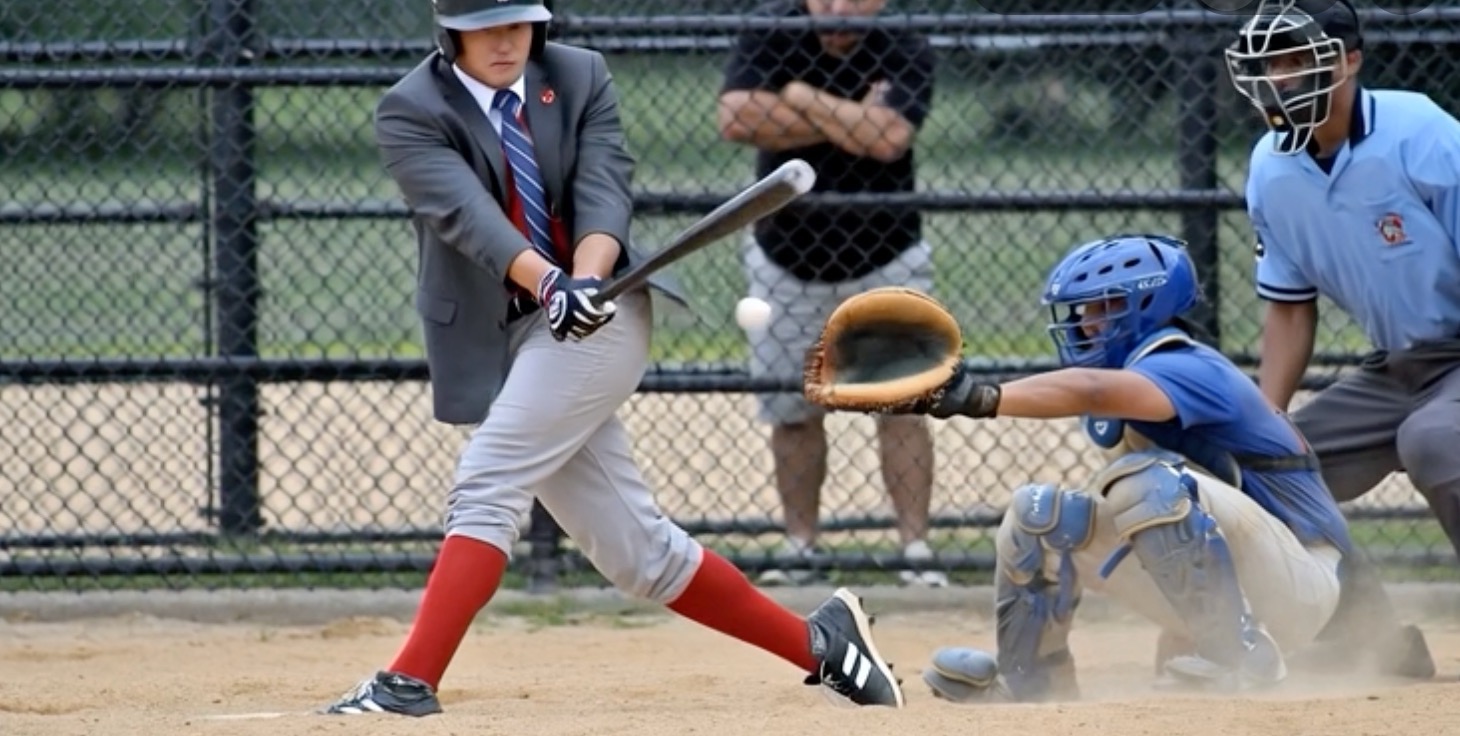
What’s the biggest weakness that most home run hitters share? They strike out a lot. Babe Ruth held that record until 1964 – long after he retired. Today it’s held by the original Mr. October, Reggie Jackson.
It’s the classic story of a strength that can also become a weakness.
That got me thinking about a similar dynamic in sales—one I see from time to time in the data. I discovered another strength that turns into a weakness.
21 Sales Core Competencies
I was the founder and CEO of Objective Management Group (OMG) from 1990-2022 where I created the gold standard for sales assessments along with the 21 Sales Core Competencies it measured. There are three categories of competencies:
- Will to Sell – think grit – there are five competencies in this group that measure motivation and more.
- Sales DNA – think fuel – there are six competencies in this group that support the execution of sales process, sales strategy, sales tactics and sales methodology.
- Tactical – think chess – there are ten competencies in this group that are associated with the elements of selling, like Hunting, Reaching Decision Makers, Qualifying, Selling Value, Closing, and more.
You can see the current data for all 21 Sales Core Competencies at this free site, and while there, review the different sales percentiles and how they differ by industry and company.
The Strength That Can be a Weakness
Within Sales DNA is a competency called Doesn’t Need Approval. This measures the degree to which a salesperson NEEDS to be liked. Salespeople who need to be liked have trouble asking lots of questions, tough questions, pushing back, challenging and having a difficult conversation with a prospect. If they were to do such a thing (ask questions, push back or challenge), they worry the prospect won’t like them anymore.
Within the Tactical group is a competency called Relationship Builder. This measures a salesperson’s ability to not only develop rapport, but develop strong, sustainable, leverageable relationships. Some people, like me, can be quite likable, but not very good at developing solid relationships. If anyone thinks I built the OMG assessment in my own image, I score around a 30 out of 100 in the Relationship Builder competency so that should put an end to that conspiracy theory!
We usually see a correlation between these two competencies. People who need to be liked often work quite hard to get people to like them, and in the process, build strong relationships. They score high in Relationship Builder and low in Doesn’t Need Approval.
We often see the opposite, with people who don’t need to be liked scoring high in that competency and lower in Relationship Builder.
In an ideal world, a salesperson scores high in both – they don’t need to be liked AND they build strong relationships. Most of the top 5% of all salespeople are strong in both.
But there is a nuance here that can’t be overlooked. The salesperson, sales manager or sales leader who scores 100 in Doesn’t Need Approval (I believe that 88 is the perfect score in this competency) and below 34 in Relationship Builder is – not could be – IS dangerous to have on any sales team. This person will have/be some or all of the following 10 personas:
- The ass hole
- The salesperson who blows up deals
- The salesperson who alienates prospects and customers
- The sales manager who alienates their salespeople
- The sales manager who tells salespeople what they must do but not how to do it
- The sales manager who barks instructions but doesn’t coach
- The sales manager who doesn’t ask, yells for more but without support and guidance
- The person who isn’t a team player
- The person who doesn’t care
- The person who lacks situational awareness
There aren’t many people that will have this specific combination, but when you have a candidate for a sales, sales management, or sales leadership role, and you see the 100/under 34 combo, run, do not pass go, do not collect $100, and do not hire them, regardless of their pedigree, resume and experience.
It’s not just candidates for which this could be an issue. When we conduct sales team evaluations, and someone on the team has the 100/under 34 combination, our client would have already seen evidence of this behavior, there would be complaints from others on the team, and perhaps even from customers.
Can you change this behavior?
I’m sure you can – with therapy, long-term coaching, practice and enough time – but do you have the patience, resources, and time to wait for it to change? Probably not. And how much more damage might be done while you’re waiting for change to occur?
It’s easier to help someone become stronger at developing relationships, especially if they are already likable and can build rapport.
As for the all-important Doesn’t Need Approval competency, it’s a weakness when the score is above or below 88, even though the assessment reports 100 as a strength.
Don’t be the one who strikes out by hiring the candidate who scores 100 on Doesn’t Need Approval. Instead, call them out and allow them to be the strikeout victim.